


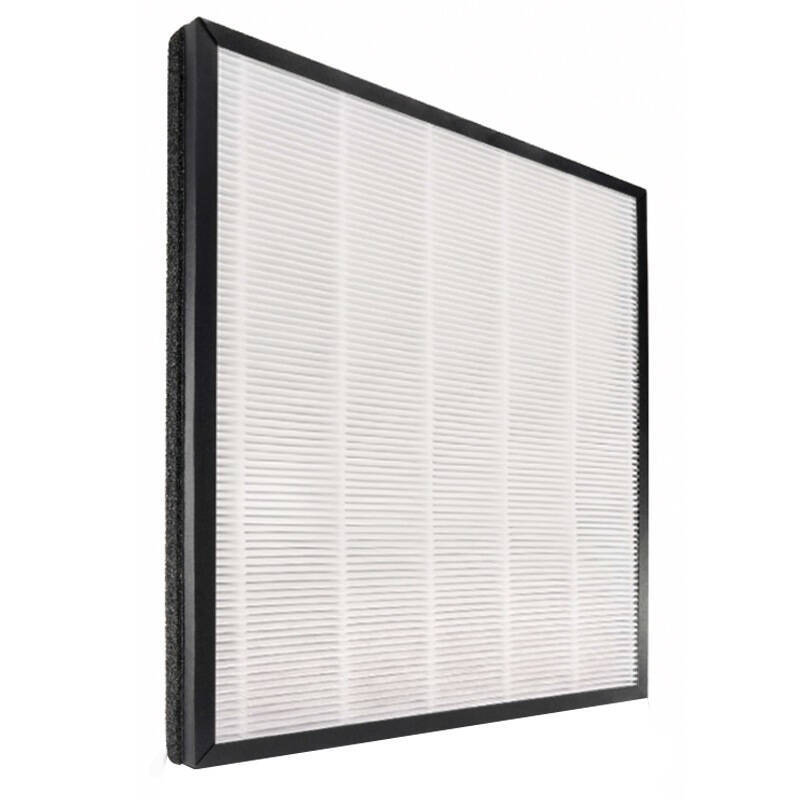
Are Higher-Priced Air Purifier Filters Always Better in Performance? The Reality Is...
In recent years, as people's awareness of health has increased, air purifiers have become standard in many homes. As a key component of air purifiers, what is the actual quality status of the filter?
Recently, the Hebei Provincial Institute for Environmental Protection Product Quality Supervision and Inspection (hereinafter referred to as the “Hebei Environmental Protection Institute”) conducted an investigation into the quality of compatible filters for household air purifiers, and the results are concerning. It seems that having just an air purifier is not enough; choosing a high-quality filter is essential to truly ensure air quality.
Lack of National Standards and Inconsistent Labeling
Upon visiting a major e-commerce website, the reporter observed that there were thousands of air purifier filter products available, with various models and features. All products claimed functionalities such as “formaldehyde removal, smoke and dust elimination, odor removal, and humidification and purification,” yet the parameter labeling varied greatly, with prices ranging from dozens to thousands of yuan.
While the design lifespan of air purifiers can extend for several years, the filtering performance of the filters declines as pollutants accumulate during use, and when saturation is reached, they can no longer purify air. The lifespan of filters is often only six months to one year, and the harsher the usage environment, the shorter their lifespan tends to be. Frequent filter replacements are an inevitable challenge faced during the operation of air purifiers.
Whether an air purifier can achieve its factory purification effect after the filter is replaced remains unproven by research. At the same time, there are many categories of filters in the market, including dedicated filters from the original manufacturer as well as compatible filters made by other manufacturers. It is currently unclear whether these filters can all meet the design requirements of air purifiers, and this lack of specific research is a major reason for consumer confusion when choosing filters.